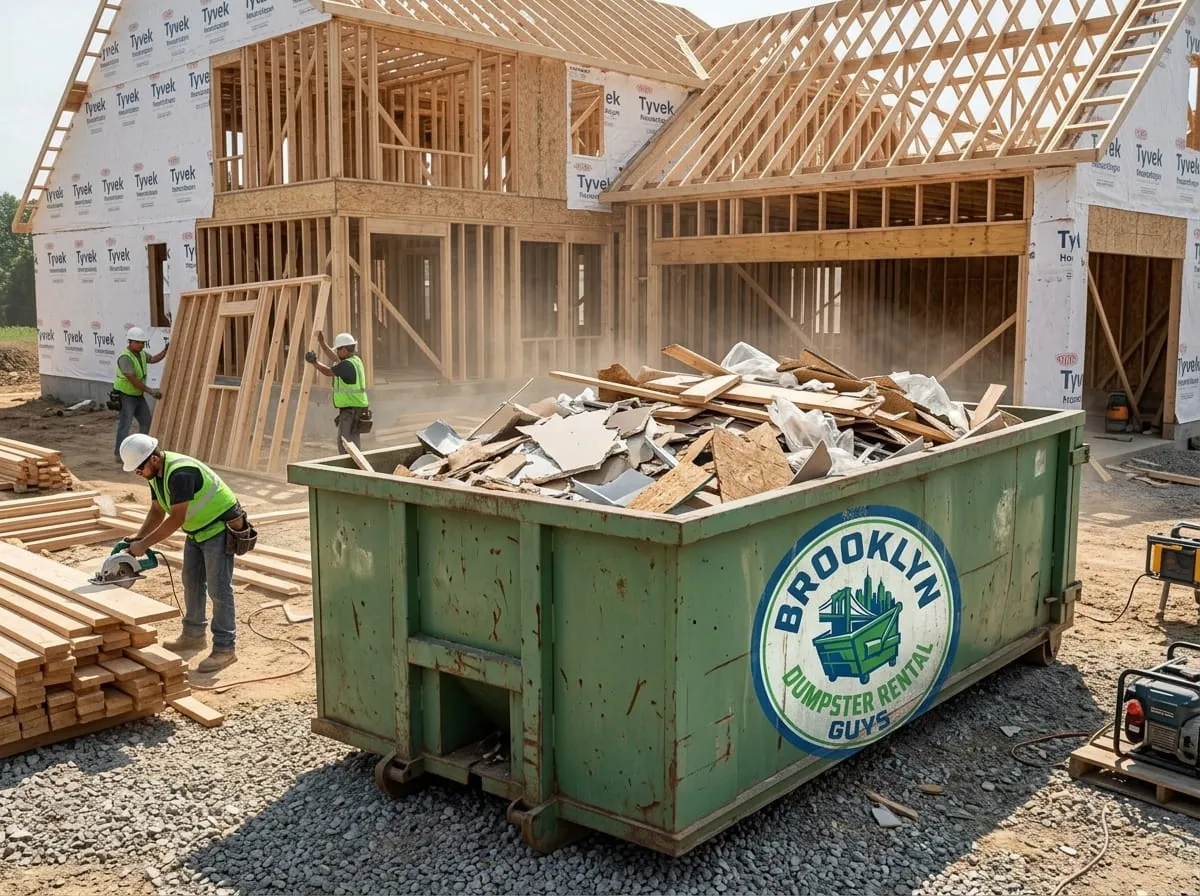
Living, renovating, or running a business in Brooklyn means dealing with a lot of stuff you no longer need — and New York City has some of the most specific waste rules in the country. Between the Department of Sanitation (DSNY) curbside pickups, the fast-expanding composting program, special-waste drop-offs, and private construction-and-demolition (C&D) hauling, it is easy to get confused about what goes where. This guide walks Brooklyn residents and property owners through how the whole system fits together, what belongs at the curb versus what needs a dumpster or transfer station, and how to keep debris out of the East River and the rest of our waterways. Rules and dates change often, so treat this as a starting point and confirm the current details with NYC DSNY and the New York State Department of Environmental Conservation (DEC) before a big project.
How NYC and DSNY handle waste in Brooklyn
Brooklyn is part of Kings County and sits inside New York City, so nearly all household trash and recycling collection here runs through DSNY. For most one-to-nine unit residential buildings, the city collects garbage, recycling, and organics directly at the curb on set days. Larger buildings and most commercial properties instead use private carting companies under the city’s commercial waste zone system. Knowing which category your property falls into matters, because it determines who picks up your material and what you are allowed to leave out. If you own a mixed-use brownstone or a small apartment building, it is worth confirming your exact setup so you are not fined for putting the wrong material out on the wrong day.
DSNY has also rolled out set-out time and containerization rules in recent years. In many neighborhoods, trash and recycling must be placed in secure bins with lids rather than loose bags, and set-out windows have shifted later in the evening to cut down on rats and sidewalk clutter. These rules are being phased in and enforced differently across the borough, so check the current requirements for your address.
Curbside recycling: the blue bin and the green bin
DSNY splits household recycling into two streams, and getting them right keeps your material out of the landfill and out of the waterways.
Blue bin: metal, glass, plastic, and cartons
The blue recycling bin is for rigid recyclables. That includes metal cans and foil, glass bottles and jars, rigid plastic containers and jugs, and beverage cartons (the paper-and-plastic kind used for milk, juice, and broth). Rinse containers so food residue does not contaminate the load, and leave caps on where the program allows. What does not belong: plastic bags and film, styrofoam, and soft flexible plastics — these jam the sorting equipment and should be handled separately (many grocery stores take clean plastic film for recycling).
Green bin: paper and cardboard
The green recycling bin is for paper and cardboard. That means newspaper, magazines, office and mail paper, paperboard boxes, and corrugated cardboard broken down flat. Keep paper dry and free of heavy grease; a lightly used pizza box may be fine, but a soaked or food-caked one belongs in organics or trash. Flattening cardboard is not just tidy — it saves space and helps collection crews move faster on Brooklyn’s narrow streets.
The curbside composting and organics program
One of the biggest recent changes for Brooklyn is citywide curbside composting. DSNY now collects organic waste at the curb in a separate brown bin for many residential buildings, and participation has been expanding across all boroughs. Accepted organics generally include food scraps (fruit, vegetables, meat, bones, dairy), food-soiled paper, and yard waste such as leaves, grass, and branches. This material is turned into compost or renewable energy instead of rotting in a landfill and generating methane.
If you have a yard, seasonal leaf and branch cleanup is a natural fit for the organics stream — though for a truly large landscaping haul you may need dedicated yard waste removal rather than the curbside brown bin. Community composting drop-off sites and GrowNYC programs also operate around the borough for residents who want another option. Because the composting program is still scaling up and the accepted-items list occasionally shifts, verify the current rules and your collection day with DSNY.
What belongs curbside vs. what needs a dumpster
Curbside collection is designed for the steady, everyday flow of household waste and recycling. It is not built for the sudden volume that comes from a gut renovation, a full estate cleanout, or a demolition. DSNY sets limits on how much you can put out and what materials it will take, and construction debris in particular is generally not accepted in regular curbside pickup.
Here is a simple way to think about the split:
| Material | Where it goes |
|---|---|
| Metal, glass, plastic, cartons | Blue recycling bin (curbside) |
| Paper and flattened cardboard | Green recycling bin (curbside) |
| Food scraps and yard waste | Brown organics bin / compost drop-off |
| Everyday household trash | Curbside trash (containerized) |
| Renovation and demolition debris | Dumpster or C&D transfer station |
| Large cleanouts and bulk furniture | Dumpster or junk-removal service |
| E-waste, paint, chemicals, batteries | Special waste sites / SAFE events |
When your project generates more than a few bags — think drywall, flooring, cabinets, tile, and lumber — a roll-off dumpster is almost always the right call. It gives you one place to load debris on your own schedule and keeps it off the sidewalk where it can wash into storm drains. Our residential dumpster rental service is built for exactly these Brooklyn jobs, and for a mixed cleanout with furniture and odds and ends, junk removal can handle the labor for you.
Construction and demolition debris and transfer stations
Construction and demolition debris is its own world. C&D material — concrete, brick, wood, drywall, roofing, and metal — does not go out with the household recycling. In New York it is hauled to registered C&D transfer stations, where much of it is sorted and diverted for recycling. Clean wood, metal, and masonry can often be recovered and reused rather than dumped, which is why diversion is such an important part of any responsible renovation.
If you are managing a build or a tear-out, plan the debris side before the work starts. Separating clean recyclable material from mixed trash improves diversion rates and can lower disposal costs. For a deeper walkthrough of handling job-site material, see our guide on how to dispose of construction debris. A properly sized dumpster on site makes it far easier to keep clean loads separate and to keep the work zone safe.
Special waste, e-waste, and household hazardous waste
Some items are genuinely dangerous or illegal to throw in the regular trash, and Brooklyn residents have several free options for handling them. Electronics — TVs, computers, monitors, printers, and small devices — are banned from New York landfills and must be recycled as e-waste. DSNY runs e-waste recycling programs, retailers and manufacturers offer take-back, and apartment buildings can enroll in electronics pickup programs.
For chemicals, DSNY holds SAFE Disposal events across the boroughs where residents can drop off harmful household products — things like paint, solvents, motor oil, pesticides, and old medications — for safe handling. The city also operates permanent special waste drop-off sites that accept many of these materials on scheduled days. Batteries, fluorescent bulbs, and propane tanks each have their own rules, so check before you toss. Never pour paint, oil, or chemicals down a drain or into the gutter: in Brooklyn, that runs toward the East River and New York Harbor. Confirm current SAFE event dates and site locations with DSNY, since they change throughout the year.
Textiles, donation, and reuse
Clothing and textiles do not belong in the trash either. New Yorkers throw away enormous amounts of usable fabric every year, and most of it could be reused or recycled. Brooklyn has a strong network of donation options — charities, thrift stores, and refashionNYC textile drop-off bins — that keep wearable clothing, linens, and shoes in circulation. Furniture and household goods in decent shape can often be donated rather than dumped, which is both greener and cheaper than paying to haul them away. Before you fill a dumpster for a cleanout, pull out anything that still has life in it and route it to donation or reuse first.
Keeping debris out of the East River and our waterways
Brooklyn is surrounded by water — the East River, Gowanus Canal, Newtown Creek, Jamaica Bay, and the harbor beyond. When debris, chemicals, or loose trash end up on the street, storm drains carry them straight into those waterways during heavy rain. That is how plastic, foam, and construction dust become the litter you see along the shoreline and the pollutants that harm marine life. Containing your waste is not just about avoiding fines; it is about protecting the waterfront that makes the borough what it is. Keep loads covered, sweep up job-site dust, never leave debris piled loose on the sidewalk, and make sure liquids and chemicals go to the proper drop-off rather than the gutter.
How a dumpster fits big cleanouts and renovations
For the large jobs — a kitchen or bath gut, a basement or attic cleanout, an estate clearance, or a whole-apartment refresh — a roll-off dumpster is the workhorse. It lets you work at your own pace, keeps debris contained and off the street, and gives you a single, code-compliant way to move a large volume of material. On Brooklyn streets, placement and permits matter: a container on the roadway typically needs the right permit, while a driveway or private-lot placement may not. We help you pick the right size and sort out placement so the whole thing runs smoothly.
Not sure whether your material can even go in a container? Our overview of what can go in a dumpster covers the accepted and prohibited items so you avoid surprise fees. And if you would rather talk it through, reach out on our contact page or call and we will help you plan the job. Handled well, even a major Brooklyn cleanout can divert most of its material to recycling and reuse — keeping it out of the landfill and out of the river.
Ready to clear out a renovation, cleanout, or big project the right way? Call Brooklyn Dumpster Rental Guys at (929) 552-9998 for the right-sized dumpster and straight answers on Brooklyn waste rules.
Owner, Brooklyn Dumpster Rental Guys — sharing straight advice from years of local hauling across Brooklyn and Kings County.
Frequently Asked Questions
What goes in the blue bin vs. the green bin in Brooklyn?
DSNY uses two curbside recycling streams. The blue bin is for rigid recyclables: metal cans and foil, glass bottles and jars, rigid plastic containers, and beverage cartons. The green bin is for paper and cardboard, including newspaper, mail, paperboard, and flattened corrugated boxes. Rinse containers and keep paper dry. Confirm current rules with NYC DSNY.
Does Brooklyn have curbside composting?
Yes. DSNY has expanded curbside composting citywide, collecting food scraps, food-soiled paper, and yard waste in a separate brown bin for many residential buildings. Community compost drop-off sites also operate around the borough. Because the program is still scaling and accepted items can change, verify your collection day and the current item list with DSNY.
Can I put construction debris out with my regular recycling?
No. Construction and demolition debris such as concrete, drywall, wood, tile, and roofing is generally not accepted in curbside pickup. It goes to a registered C&D transfer station, where much of it is sorted for recycling, or into a roll-off dumpster. For larger renovations, a dumpster is usually the simplest and most compliant option.
How do I safely get rid of e-waste, paint, and chemicals in Brooklyn?
Electronics are banned from NYC landfills and must be recycled through DSNY e-waste programs, retailer take-back, or building pickup. Paint, solvents, oil, pesticides, and similar products go to DSNY SAFE Disposal events or permanent special waste drop-off sites. Never pour chemicals down a drain or into the gutter, since it drains toward the East River. Confirm event dates with DSNY.
When should I rent a dumpster instead of using curbside pickup?
Curbside pickup is for everyday household trash and recycling, not sudden large volumes. When you have a renovation, estate or basement cleanout, or demolition producing debris, drywall, flooring, or bulk furniture, a roll-off dumpster is the right choice. It contains the material, keeps it off the sidewalk and out of storm drains, and lets you load on your own schedule. Call (929) 552-9998 to size one.